3 Tips for Talking to Your Children about Pornography
Kids


Audio By Carbonatix
2:00 AM del Lunes 18 de Octubre , 2021
Por Rachel Baker, Kids
1. These Conversations Need to Take Place Early and Often
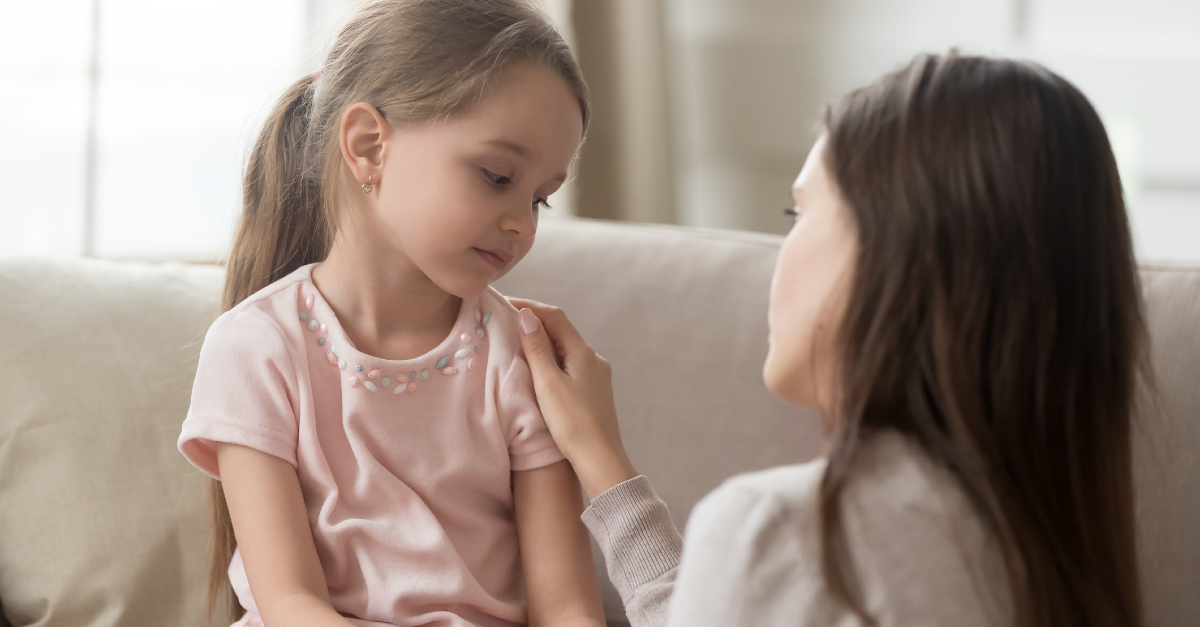
I cringed as I sat with my son and started what I believed would be an awkward conversation. Initially, I assumed that the best way to tackle a discussion centered around pornography would be to handle it head-on, however after connecting with a long-time friend, Daniel Garcia, who serves as the Director of Messaging at Exodus Cry—an organization that seeks to bring awareness around the issue of pornography and sex trafficking—I learned that perhaps one of the ways to tackle this topic can be by discussing healthy media habits and what potentially harmful messaging can be found in our digital world.
Garcia's recommendation was to start the conversation early and to have it with our little ones often. He explained that this is not a one-and-done conversation but rather a lifelong open dialogue that evolves as our children develop. If we begin by first understanding the genuine dangers behind pornography and discussing that with our children in age-appropriate ways, we then have the opportunity to demystify porn before it becomes some sort of forbidden temptation.
When it comes to the accessibility of pornography, he explained that parents who are not porn consumers often don't realize just how easy it is to access it. Unfortunately, many devices—including school-issued computers—often do not come with safety measures activated. What's worse is that many porn sites are free to consumers without the need for age verification.
As parents, we need to be diligent when it comes to our own homes and the media consumption within, but even more, we need to be teaching our children what's at stake when it comes to dangerous and unhealthy digital images. Garcia pointed me in the direction of Good Pictures Bad Pictures by author Kristen A. Jenson to get the conversation started.
Photo credit: ©GettyImages/fizkes
2. We Need to Remove Shame from the Equation
Understanding that what starts with curiosity often may lead to addiction can help parents tackle the issue of pornography in a shame-free manner. Research has found that 60% of children's exposure to pornography is often unintentional. A simple google search can land a child right in the thick of a porn site that specifically targets young minds.
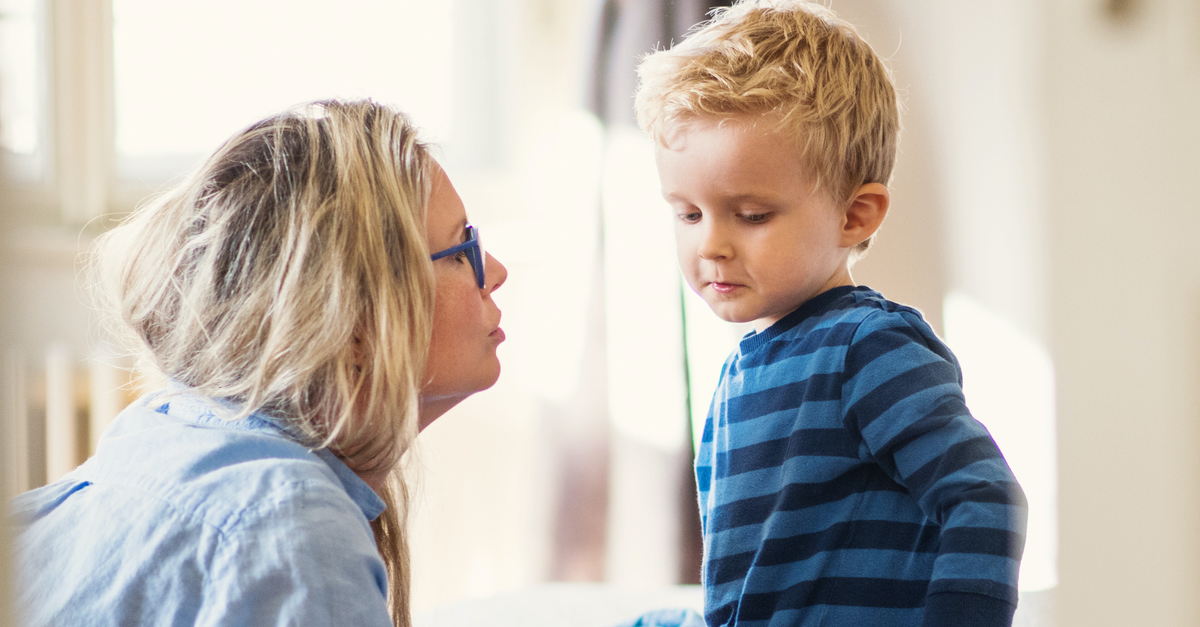
Shame might be one of the largest reasons kids don't want to talk about porn or sexuality with their parents, leading children to seek answers through other individuals. This causes children to talk to friends or find a "safe place" elsewhere. Perhaps sex education should begin in the home, and conversations around porn should be a part of that education.
It's not a matter of "if" but "when" a child will be exposed to pornography: Kids will be exposed to language around sexuality—even softcore pornography—through basic media and advertising. I've personally witnessed my own children being exposed to softcore images that promote sexuality and objectify the female body just by taking a drive on the freeway.
As parents, we need to understand that pornography can rewire a child's brain. Porn conditions the mind and fuses sex and aggression or violence together. What porn has done is taken something beautiful and natural inside of us and manipulated it. Being aware of how sexuality has been influenced by porn and how that can create a feeling of deep shame within children and young people can be paramount. Breaking the stigma and allowing our children to feel safe to have those seemingly uncomfortable conversations is one step towards prevention.
Photo credit: Getty Images/Halfpoint

3. Help Children Understand the Cost
When it comes to the accessibility of pornography, we have to assume the worst. As adults, we need to have a fair understanding of the stakes and how to teach this to our children in age-appropriate ways. According to a 2019 UK study commissioned by the British Board of Film Classification (BBFC), 62% of 11-13-year-old children who had seen pornography reported that their first exposure to it was unintentional.
While these stats may seem shocking, the reality is that as our children age and have more access to digital content, these numbers increase. Additionally, a fair amount of pornography that is easily accessed for free borders on the line of criminal. A large majority of the content hosted on sites like Porn Hub was found to be criminal and non-consensual; after a 2020 New York Times article by journalist Nicholas Kristof titled "The Children of Pornhub," Pornhub dumped massive amounts of digital content that fell into this category.
Helping our children understand that a digital image is forever can thwart them from becoming victims of illegal pornography themselves. Even if you can trust someone for a season, you can't really trust someone with nudes or violating images. We live in a predatory society. We need to teach kids to be skeptical, to protect themselves from being victims of pornography and from viewing it altogether.
"The good news is that even if we can't get porn websites to have the proper age verification, I think that knowing that we have so much power to educate our kids and that as parents, we can have so many great conversations around this issue," Garcia encouraged, "we can win those battles by being attentive and being attuned to the world that they are already immersed in."
While this might feel like an uphill battle for most parents, creating a safe space for conversation, demystifying the topic, and leading in love rather than shame can help prepare our children for the world they are living in. Our job, as parents, is to raise adults who have a firm grip on what is healthy for them. We teach our children how to eat healthily, treat others well, and what healthy love looks like. Giving our children the tools to protect themselves from the onslaught of harmful digital content is just as loving as feeding them healthy food, tucking them in at night, and praying over them. While the conversation may still feel uncomfortable and awkward, for you—and possibly for your child as well—it is entirely worthwhile.
If you'd like additional resources before engaging in this conversation, please take a look at the links below:
Good Pictures Bad Pictures by Kristen A. Jenson
The Children of Pornhub by Nicholas Kristof
Photo credit: ©GettyImages/imtmphoto